
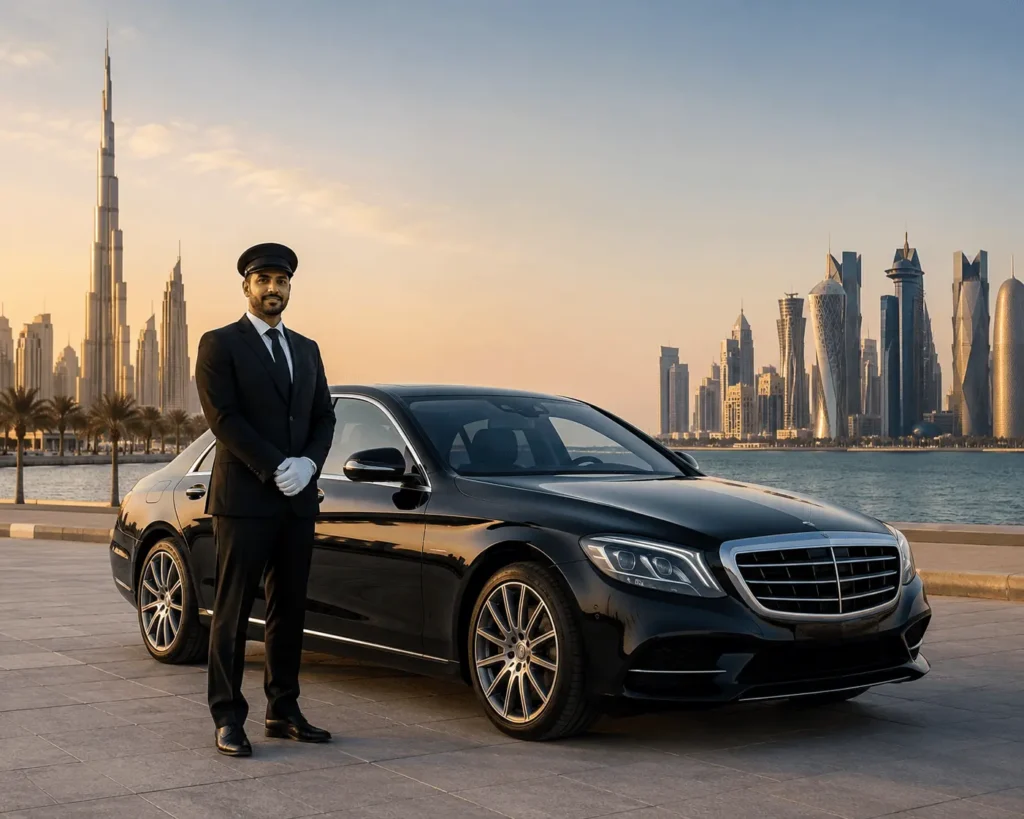
Dubai sees more than 320 days of sunshine a year, but only a handful of months actually deliver comfortable temperatures for sightseeing, desert safaris, and rooftop dinners (National Center of Meteorology, UAE, 2026). So when is the best time to visit Dubai? The short answer: November through March, when daytime highs sit between 24°C and 30°C and humidity drops to comfortable levels. But the full picture is more nuanced, and knowing exactly when to visit Dubai can save you money, help you dodge extreme heat, and let you time your trip around world-class events like the Dubai Shopping Festival or Dubai Marathon.
In this guide, you’ll learn the month-by-month weather breakdown for Dubai, the pros and cons of each season, average hotel and flight prices, the best months for specific activities like desert safaris and beach days, and how a private chauffeur can help you beat the heat no matter when you travel.
Table of Contents
- Best Time to Visit Dubai: The Quick Answer
- Dubai Weather by Season: A Data-Driven Overview
- Month-by-Month Weather & Travel Guide
- Best Time to Visit Dubai for Specific Travel Goals
- Dubai Travel Costs by Season: Flights & Hotels
- How a Private Chauffeur Makes Any Season Comfortable
- Frequently Asked Questions
Best Time to Visit Dubai: The Quick Answer
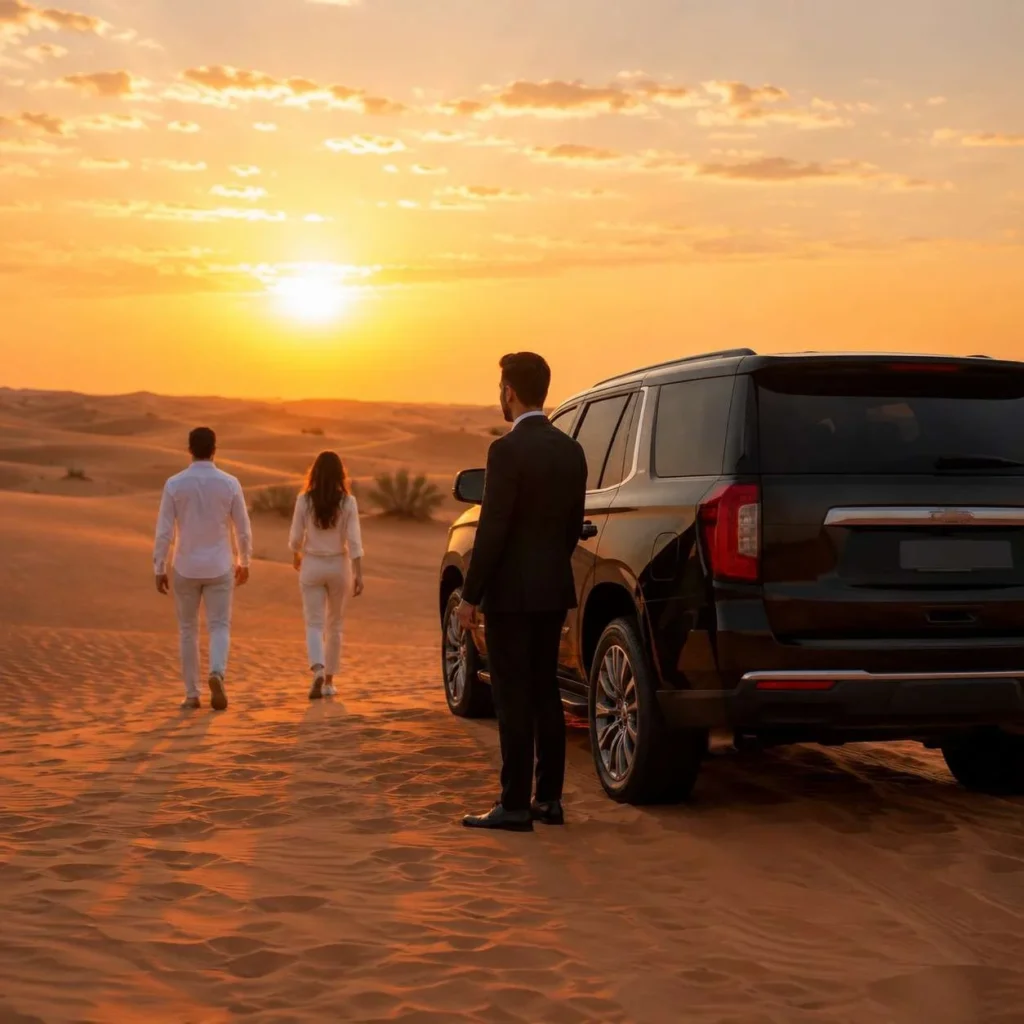
The best time to visit Dubai is between November and March, when average highs range from 24°C to 30°C (75°F to 86°F) and humidity is at its lowest (Climates to Travel, 2026). This window covers winter and early spring, the only stretch of the year when walking tours, desert safaris, and outdoor dining are genuinely comfortable for most travelers.
Outside this window, Dubai is still very visitable, just with adjusted expectations. April, May, October, and even early June work well for visitors who don’t mind warmer afternoons and prefer smaller crowds and lower hotel rates. July through September is peak heat season, with daytime temperatures regularly exceeding 40°C (104°F) and humidity pushing the “feels like” temperature even higher.
Why Timing Matters More in Dubai Than Most Destinations
Dubai has one of the most extreme seasonal temperature swings of any major tourist city. The gap between January’s average high (around 25°C) and August’s average high (around 41°C) is roughly 16°C (Weather and Climate, 2026). Few global cities, including Rome, Tokyo, or New York, swing this dramatically between seasons. That means the right month doesn’t just affect your comfort, it determines whether outdoor attractions like the Dubai Miracle Garden or a desert safari are enjoyable or simply unbearable.
Who Should Read This Guide
- First-time tourists deciding between a winter holiday and a budget-friendly summer trip.
- Business travelers who need to know what to expect outside conference rooms and hotel lobbies.
- Families planning around school holidays who want to balance weather with crowd levels.
- Repeat visitors looking to experience Dubai during a specific event, like Ramadan, Expo-style exhibitions, or the Dubai Shopping Festival.
Dubai Weather by Season: A Data-Driven Overview
Dubai has a hot desert climate with essentially two real seasons: a short, mild winter and a long, intense summer (Wikipedia: Climate of Dubai, 2026). Understanding these two seasons, plus the shoulder periods that bridge them, is the foundation for picking the right month.
Winter Season (December to February)
Winter is Dubai’s tourist season, and for good reason. Average highs sit between 24°C and 26°C, nighttime lows can dip to 12°C to 15°C (Climate of Dubai, Wikipedia, 2026), and humidity is more manageable than the rest of the year. This is when the city hosts its biggest outdoor events, from New Year’s Eve fireworks at Burj Khalifa to the Dubai Shopping Festival.
Spring / Shoulder Season (March to May)
March still offers pleasant weather, but by April and May, daytime temperatures climb past 35°C to 40°C (Climate-Data.org, 2026). This is a strong budget window: hotel rates drop, flights are cheaper, and attractions are noticeably less crowded than peak winter months.
Summer Season (June to September)
Summer is Dubai’s most extreme season. Average highs reach 39°C to 41°C, with humidity often above 60 to 90 percent near the coast (Climate of Dubai, Wikipedia, 2026). A severe heatwave in June 2026 even pushed suburban temperatures to 49.4°C (120.9°F) (Wikipedia: Climate of Dubai, 2026). Outdoor activity is limited to early morning or after sunset, but this is also when Dubai’s hotel deals, mall sales, and indoor attractions shine brightest.
Autumn / Shoulder Season (October to November)
Temperatures begin easing from late September, dropping from the high 30s into the high 20s by November (Weather Atlas, 2026). This is widely considered one of the smartest times to visit Dubai: the punishing summer heat has passed, but the winter crowds and peak prices haven’t yet arrived.
Comparison table: Dubai’s four seasons at a glance.
| Season | Months | Avg. High | Humidity | Best For |
|---|---|---|---|---|
| Winter | Dec – Feb | 24–26°C | Moderate | Sightseeing, outdoor events, desert safaris |
| Spring | Mar – May | 27–40°C | Low–Rising | Budget travel, fewer crowds |
| Summer | Jun – Sep | 39–41°C | High | Indoor attractions, shopping deals, hotel discounts |
| Autumn | Oct – Nov | 29–37°C | Moderate | Value-for-money trips, comfortable evenings |
Month-by-Month Weather & Travel Guide

Here’s exactly what to expect each month in Dubai, based on long-term climate averages from the UAE National Center of Meteorology and international climate databases. Each entry includes average temperatures and the activities best suited to that month.
January: Dubai’s Coolest, Most Comfortable Month
January is the coldest month of the year in Dubai, with an average temperature near 20°C and highs around 24–25°C (Climates to Travel, 2026). Evenings can feel genuinely cool, sometimes dropping to 12–15°C, so pack a light jacket.
Recommended activities:
- Desert safaris and dune bashing in comfortable midday heat
- Walking tours of Old Dubai, Al Fahidi, and the Gold Souk
- Outdoor dining at Dubai Marina or La Mer
- Dubai Shopping Festival (typically runs into January)
February: Peak Tourist Season Continues
February remains cool and dry, with highs around 26°C and February holding the title of Dubai’s wettest month, averaging 35–40mm of rainfall (Holiday Weather, 2026). Don’t expect daily rain, but pack a light layer just in case.
Recommended activities:
- Outdoor festivals and beach days
- Hot air balloon rides over the desert at sunrise
- Global Village (typically open through this period)
- Golf at one of Dubai’s championship courses
March: The Last Comfortable Month Before the Heat Builds
March is a transition month. Mornings and evenings remain pleasant, but afternoon highs begin climbing toward 29–30°C, with occasional shamal winds bringing dust (Climates to Travel, 2026).
Recommended activities:
- Dubai World Cup (the world’s richest horse race, typically held in March)
- Outdoor brunches and rooftop lounges
- Last comfortable month for a full-day desert excursion
April: Budget Travel Begins as Heat Rises
By April, average highs reach approximately 35°C, and humidity starts to climb (Climate-Data.org, 2026). Hotel rates start softening as the winter crowd thins out.
Recommended activities:
- Indoor attractions like the Dubai Aquarium and Museum of the Future
- Early morning desert safaris before peak heat
- Pool-and-spa days at beach resorts
May: The Quiet Before Summer’s Peak
May marks the real start of summer conditions, with highs near 38–40°C and very little rainfall, May is historically the driest month of the year (Climate-Data.org, 2026).
Recommended activities:
- Water parks like Aquaventure and Wild Wadi (open and less crowded)
- Mall-based entertainment, including indoor ski slopes
- Late-night souk shopping after sunset
June: Summer Heat Takes Hold
June brings highs averaging 39°C, with the UAE’s National Center of Meteorology and independent climate trackers recording suburban heatwave spikes above 46°C in recent years (Wikipedia: Climate of Dubai, 2026).
Recommended activities:
- Indoor attractions: VR Park, Ski Dubai, IMG Worlds of Adventure
- Evening yacht cruises along Dubai Marina
- Major retail sales as the city shifts to a shopping-focused calendar
July: The Hottest Month of the Year
July is consistently Dubai’s hottest month, with average highs around 39–41°C and overnight lows rarely falling below 30°C (Weather and Climate, 2026). Humidity near the coast intensifies the heat significantly.
Recommended activities:
- Strictly indoor itineraries: malls, museums, aquariums, indoor theme parks
- Spa days and hotel pool clubs with shaded cabanas
- Late-night outdoor dining only, after 9 or 10 PM
August: Hot, Humid, and the Best Hotel Deals of the Year
August ties with July as the hottest month, averaging 35.7 — 41°C, with sea temperatures peaking near 33°C, ideal for swimming despite the heat (Climate-Data.org, 2026).
Recommended activities:
- Five-star hotel staycations at deeply discounted summer rates
- Dubai Summer Surprises retail and family entertainment festival
- Private chauffeur-driven city tours in air-conditioned comfort
September: The Heat Begins to Break
September stays hot, often above 37°C, but the worst of the humidity spikes start easing toward the month’s end (Weather Atlas, 2026).
Recommended activities:
- Early planning for autumn outdoor activities
- Indoor cultural sites like the Etihad Museum
- Business travel, as conference season ramps back up
October: A Smart, Underrated Time to Visit
October sees temperatures easing from the high 30s toward the low 30s, while sunshine hours remain abundant (Weather Atlas, 2026). It’s one of the best value windows of the year.
Recommended activities:
- Outdoor dining returns to comfortable evening hours
- Desert glamping and overnight safari camps
- Lower hotel rates than the November–March peak
November: Where Peak Season Begins
November marks the start of the cooler, high-demand season, with highs dropping to roughly 29–31°C and humidity stabilizing (Weather Atlas, 2026).
Recommended activities:
- Dubai Marathon training season and outdoor running events
- Beach clubs, water sports, and dhow cruises
- Booking ahead matters, as hotel rates begin climbing
December: Festive Season and Near-Perfect Weather
December offers some of the most reliably comfortable conditions of the year, with highs around 27–28°C, though it’s also one of the wetter and most humid months (Weather Atlas, 2026).
Recommended activities:
- New Year’s Eve fireworks at Burj Khalifa and Atlantis The Palm
- Global Village and winter festival season
- Peak season pricing book chauffeur transfers and hotels early
No matter the month, Dubai’s heat (or winter evening chill) is easiest to manage from an air-conditioned vehicle with a driver who knows when and where to go. Car With Driver runs chauffeur-led city tours and airport transfers 24/7, so your itinerary never depends on standing at a taxi rank in 40°C heat.
Book Your Dubai Chauffeur Tour Now →
Best Time to Visit Dubai for Specific Travel Goals
The best time to visit Dubai depends heavily on what you actually want to do. A desert safari enthusiast and a shopping-festival hunter need different months. Here’s how to match your goals to the calendar.
Best Time for Desert Safaris and Outdoor Adventure
November through March is the best window for desert safaris, dune bashing, and overnight desert camping, since daytime temperatures stay below 30°C and nighttime desert temperatures are crisp rather than freezing.
Best Time for Beach Days and Water Sports
Beach lovers should target October to April, when air temperatures are comfortable and the Persian Gulf’s sea temperature stays warm enough for swimming year-round, dropping only to around 23°C between January and March (Climates to Travel, 2026).
Best Time for Shopping Festivals and Indoor Attractions
If shopping deals matter more than weather, summer (June to August) is unbeatable. Dubai Summer Surprises and major mall sales coincide with the year’s biggest hotel discounts, and nearly every major attraction in Dubai is fully air-conditioned.
Best Time for Budget Travelers
Travelers chasing the lowest prices should look at April, May, September, and October, the shoulder months where flights and hotel rates fall well below winter peak pricing, while weather remains workable with smart scheduling around midday heat.
Best Time for Families with Young Children
Families should prioritize December through February. Cooler temperatures mean fewer heat-related risks for children, and this period overlaps with major family-friendly events like Global Village and winter school holidays.
Dubai Travel Costs by Season: Flights & Hotels
Seasonality affects Dubai prices as much as it affects the weather. Knowing when to visit Dubai from a budget perspective often means accepting slightly higher temperatures in exchange for significantly lower hotel and flight rates.
Peak Season Pricing (December–February)
Hotel rates and flights typically peak during this window, driven by holiday travel, the Dubai Shopping Festival, and the most comfortable weather of the year. Book accommodation and private transfers at least 6–8 weeks in advance.
Shoulder Season Pricing (March–May, October–November)
Hotel rates generally ease by 15–30% compared to peak winter pricing, while weather remains largely manageable, especially in October, November, and early March.
Low Season Pricing (June–September)
Five-star hotels frequently run their steepest discounts of the year during summer, sometimes slashing rates by 40% or more, making this the best time for a luxury-on-a-budget trip, provided you plan activities around air-conditioned spaces.
Comparison table: cost and comfort trade-offs by season.
| Season | Hotel Pricing | Comfort Level | Crowd Level |
|---|---|---|---|
| Winter (Dec–Feb) | Highest | Excellent | Very High |
| Shoulder (Mar–May) | Moderate | Good (mornings/evenings) | Moderate |
| Summer (Jun–Sep) | Lowest | Indoor-only recommended | Low |
| Shoulder (Oct–Nov) | Moderate | Very Good | Moderate |
How a Private Chauffeur Makes Any Season Comfortable
A licensed private driver removes the single biggest obstacle to enjoying Dubai outside the cool winter months: exposure to extreme heat between stops. Car With Driver connects visitors with RTA-licensed, professional chauffeurs and a premium, fully air-conditioned fleet, available 24 hours a day, 7 days a week, across Dubai and the wider UAE.
Why Chauffeur Travel Outperforms Taxis and Rentals in Dubai
- Climate control between every stop instead of waiting outdoors for a taxi in 40°C+ heat.
- Local route knowledge to avoid Dubai’s notorious midday and rush-hour traffic congestion.
- Flexible, multi-stop itineraries built around the cooler parts of the day in summer, or full-day touring in winter.
- 24/7 availability for early-morning desert safaris, late-night airport arrivals, or last-minute schedule changes.
Best Use Cases by Season
- Winter (Dec–Feb): Full-day sightseeing tours covering Old Dubai, Burj Khalifa, and Palm Jumeirah.
- Summer (Jun–Sep): Mall-to-mall shopping routes and air-conditioned airport transfers.
- Shoulder months: Flexible half-day tours that work around the warmer afternoon hours.
Whether you’re visiting during the cool winter peak or chasing summer hotel deals, a professional chauffeur turns Dubai’s climate from a planning obstacle into a non-issue. Car With Driver serves tourists, expats, corporate teams, and VIP clients with the same level of reliability, every day of the year.
Reserve Your Chauffeur Today →
Conclusion: Planning Your Trip Around Dubai’s Weather
Choosing the best time to visit Dubai comes down to three takeaways. First, November through March delivers the most comfortable weather for outdoor sightseeing and desert adventures. Second, shoulder months like April, May, October, and November offer a smart balance of lower prices and manageable heat. Third, summer (June–September) remains a fully viable option for travelers chasing the steepest hotel and shopping discounts of the year, especially with an air-conditioned itinerary planned around the heat.
Whichever month you choose, the right transportation makes every season comfortable. Car With Driver connects you with RTA-licensed chauffeurs and a premium fleet, available 24/7 across Dubai and the UAE, so you can focus on enjoying the city instead of waiting on it.
Book Now →
FAQs | Best Time to Visit Dubai
What is the best time to visit Dubai?
The best time to visit Dubai is between November and March, when average highs range from 24°C to 30°C and humidity drops to comfortable levels. This period covers the city’s cooler, drier winter season, making it ideal for outdoor sightseeing, desert safaris, and beach days.
What is the hottest month in Dubai?
July and August are typically the hottest months in Dubai, with average highs near 39–41°C and recorded heatwave spikes above 46°C in recent years (Wikipedia: Climate of Dubai, 2026). Humidity also peaks during this period, making the heat feel even more intense.
Is Dubai too hot to visit in summer?
Dubai is hot but still fully visitable in summer, as long as you plan around air-conditioned attractions, malls, and indoor activities. Many travelers choose summer specifically for the steep hotel discounts and quieter attractions, while saving outdoor activities for early morning or evening.
When does it rain in Dubai?
Most of Dubai’s limited annual rainfall occurs between December and March, with February typically the wettest month, averaging 35–40mm of rain (Holiday Weather, 2026). Rain rarely lasts long and usually falls as brief, intense showers rather than sustained downpours.
What month has the best weather in Dubai?
January is generally considered the month with the best weather in Dubai, with average temperatures near 20°C and comfortable daytime highs around 24–25°C. Evenings can feel cool, so a light jacket is recommended for outdoor dining or desert evenings.
Is Dubai cheaper in summer?
Yes, Dubai is significantly cheaper in summer. Five-star hotels often cut rates by 40% or more between June and September compared to winter peak pricing, making summer the strongest window for budget-conscious luxury travel.
How many days do you need in Dubai?
Most first-time visitors need 4 to 5 days in Dubai to comfortably cover major landmarks like Burj Khalifa, Dubai Mall, Old Dubai, and a desert safari. Longer stays of 7 or more days allow time for day trips to Abu Dhabi or Sharjah.
Should I book a private chauffeur for a short Dubai trip?
Yes, a private chauffeur is especially valuable on short trips because it maximizes sightseeing time and removes heat exposure between stops. Car With Driver offers RTA-licensed drivers available 24/7 for airport transfers, full-day tours, and multi-stop itineraries.


